

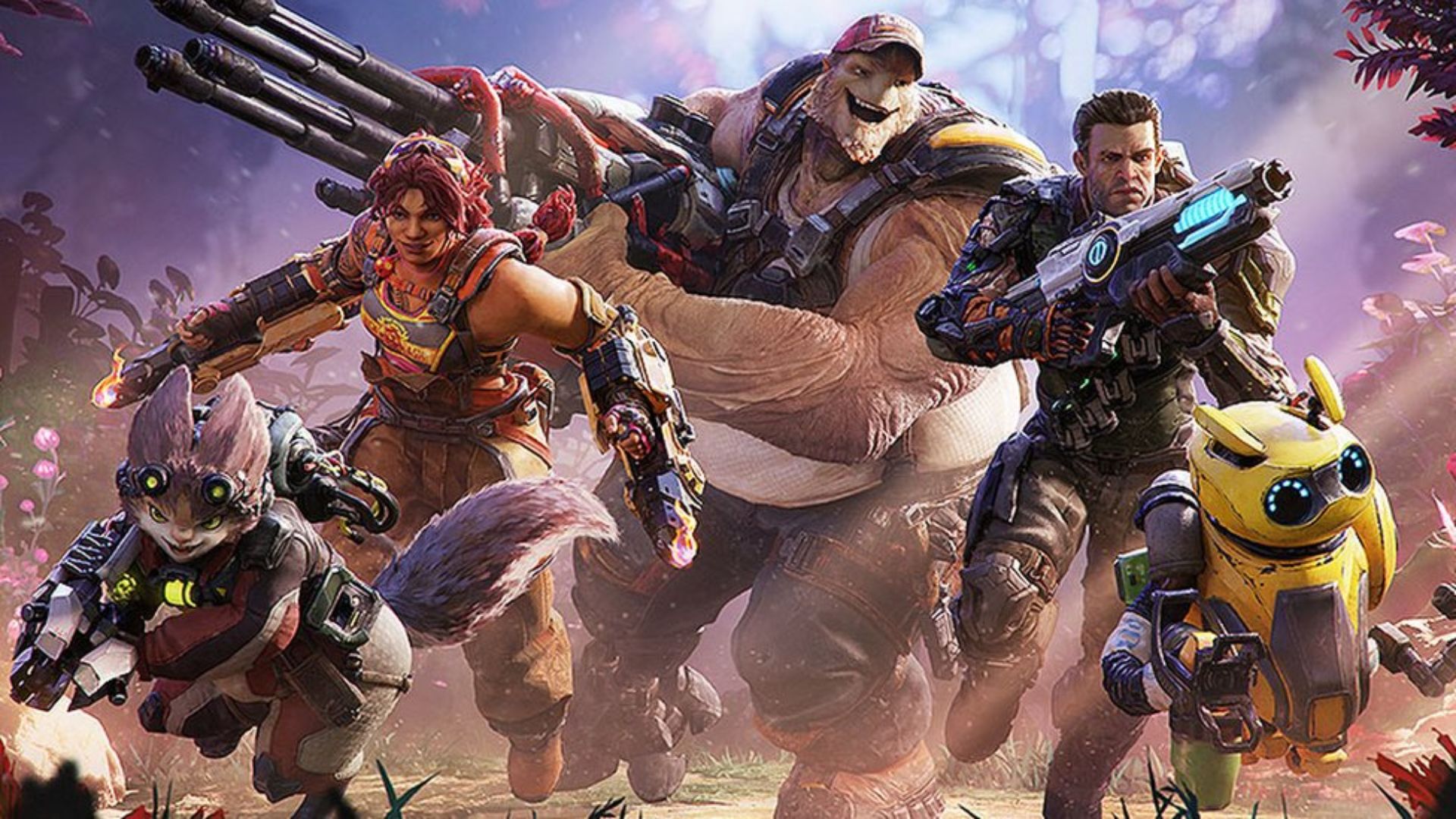
In today’s digital and entertainment-driven world, the word game has become more than just a pastime—it represents a universe of creativity, competition, learning, and social interaction. From traditional board games to cutting-edge video games, understanding the nuances of game culture, types, and impact can enhance both leisure and professional perspectives. This article explores the multifaceted world of games, offering insights into their history, types, cultural significance, psychological effects, and tips for choosing the right game for you.
What is a Game?
A game is an activity structured by rules, designed for entertainment, education, or skill development. Games can be physical, mental, digital, or social. They often involve objectives, challenges, and interaction with other players or the environment. The primary purpose of a game is enjoyment, but many games also teach strategy, critical thinking, teamwork, and problem-solving skills.
Games have been a part of human civilization for thousands of years. Ancient societies used games not only for leisure but also as tools for training and socialization. For example, board games like Senet in ancient Egypt or chess in India reflected cultural values while fostering strategic thinking.
History of Games
The history of games is long and diverse, evolving alongside human society. Early humans created games to simulate real-life situations, develop skills, and entertain communities. Ancient civilizations developed various forms of games, from dice games in Mesopotamia to strategy games in Asia.
- Ancient Games: Senet, Mancala, and Go were popular in ancient societies. These games were often associated with religious or educational purposes.
- Medieval Games: Chess and card games became prominent in Europe, promoting strategic thinking and social interaction.
- Modern Games: The 20th century introduced video games, massively expanding the concept of what a game could be.
Types of Games
Games can be classified into multiple categories based on their format, purpose, or medium. Understanding these types helps enthusiasts and parents choose suitable games for entertainment or learning.
Board Games
Board games are one of the oldest types of games, emphasizing strategy, chance, and social interaction. Examples include Monopoly, Scrabble, and Settlers of Catan. Board games are excellent for family bonding, cognitive development, and friendly competition.
Card Games
Card games involve decks of cards and require skill, strategy, and sometimes luck. Popular card games include Poker, Bridge, and Uno. They often serve as social games for gatherings and competitive tournaments.
Video Games
Video games represent a digital evolution of traditional games. They can range from single-player adventures to massive online multiplayer experiences. Genres include action, adventure, simulation, sports, and role-playing games. Video games have become a significant part of entertainment and professional eSports.
Sports and Physical Games
Sports like football, basketball, cricket, and tennis are physical games that promote fitness, teamwork, and discipline. They are globally recognized and often have professional leagues, tournaments, and fan followings.
Educational Games
Educational games are designed to teach concepts while entertaining. These games can be physical or digital and often focus on subjects like math, language, or science. They help develop problem-solving skills, memory, and creativity.
The Psychological Benefits of Playing Games
Engaging in games has several psychological benefits. They improve cognitive functions, enhance social skills, and reduce stress. Games can stimulate the brain, promote learning, and improve emotional resilience.
- Cognitive Skills: Strategy games like chess and puzzle games improve problem-solving abilities and memory retention.
- Social Skills: Multiplayer games encourage communication, teamwork, and negotiation skills.
- Stress Relief: Casual and fun games provide relaxation and a temporary escape from everyday challenges.
- Emotional Development: Games help players experience emotions like excitement, frustration, and accomplishment, fostering emotional intelligence.
The Economic Impact of Games
The gaming industry has grown into a billion-dollar global market. Video games, in particular, contribute significantly to economies through sales, in-game purchases, tournaments, and streaming platforms.
- Video Games Industry: Includes development, publishing, and distribution of games. Major companies like Sony, Microsoft, and Nintendo dominate the market.
- eSports: Competitive gaming has become a lucrative career for professional gamers and organizers, with tournaments offering multi-million-dollar prize pools.
- Board Games & Physical Games: These games continue to thrive in niche markets, providing steady economic value for manufacturers and retailers.
How Games Influence Society
Games impact society beyond entertainment. They influence culture, education, socialization, and even politics. For instance, certain games introduce players to different cultures, historical events, and problem-solving scenarios.
- Cultural Influence: Games like Assassin’s Creed or Civilization immerse players in historical and cultural contexts.
- Educational Influence: Educational games in classrooms enhance learning experiences and engagement.
- Social Influence: Online multiplayer games foster global communities and friendships.
Choosing the Right Game
Selecting a game depends on individual preferences, age, purpose, and environment. Here are tips for choosing the perfect game:
- Identify Interests: Are you looking for strategy, action, relaxation, or learning?
- Consider Age Appropriateness: Ensure the game is suitable for the player’s age and cognitive level.
- Decide on Platform: Choose between board games, card games, or digital games depending on your lifestyle.
- Set Time Limits: For video games, ensure balanced screen time to avoid negative health effects.
- Check Social Factors: Decide if you want a solo experience or a social/multiplayer game.
Trends in Modern Gaming
The world of game continues to evolve with technology and cultural trends. Here are some current trends shaping the gaming industry:
- Mobile Gaming: Mobile games dominate casual gaming markets due to their convenience.
- Virtual Reality (VR) and Augmented Reality (AR): These technologies create immersive experiences, enhancing realism in digital games.
- Streaming and Cloud Gaming: Platforms like Twitch and cloud gaming services allow players to stream or play games without high-end hardware.
- Game-Based Learning: Schools increasingly use games for teaching, integrating gamification into the curriculum.
Gaming and Technology
Technology has revolutionized how we play games. High-quality graphics, realistic physics, and AI opponents have transformed gaming into a deeply immersive experience.
- Artificial Intelligence (AI): AI improves gameplay through smart opponents and dynamic game worlds.
- Graphics and Sound: Advanced graphics engines and immersive sound design enhance realism and engagement.
- Cross-Platform Play: Modern games often allow players on different devices to interact seamlessly.
- Accessibility: Games are now designed for players with disabilities, making gaming more inclusive.
Common Misconceptions About Games
Despite the popularity of games, misconceptions persist:
- Games are only for kids: Many games target adults and require sophisticated skills and strategies.
- Games are harmful: While excessive gaming can be unhealthy, moderate gaming offers cognitive, social, and emotional benefits.
- Video games lead to violence: Research shows no direct causation; context, content, and moderation matter more.
- Board games are outdated: Board games continue to thrive and innovate with new themes and mechanics.
Famous Games in History
Some games have left a significant mark on history, shaping culture and entertainment:
- Chess: Known for strategic depth, chess has influenced military and intellectual training for centuries.
- Monopoly: A cultural icon representing wealth and strategy in a playful context.
- Tetris: Revolutionized video gaming with its simple yet addictive puzzle mechanics.
- Minecraft: A modern phenomenon, encouraging creativity and collaboration worldwide.
The Role of Game in Education
Games are powerful educational tools. Gamification, the process of incorporating game elements into learning, improves motivation and engagement. Examples include:
- Math and Science Games: Promote problem-solving and logical thinking.
- Language Learning Games: Encourage vocabulary acquisition and conversational skills.
- Historical Simulations: Help students explore events and cultures interactively.
Safety Tips for Gaming
Playing games, especially online, requires awareness of safety and moderation:
- Limit Screen Time: Avoid excessive gaming to prevent health issues.
- Protect Personal Information: Never share sensitive data online.
- Parental Controls: Monitor children’s gaming activities and content.
- Take Breaks: Encourage regular breaks to maintain physical and mental well-being.
Future of Games
The future of game is promising, with continued innovation and societal integration. Trends suggest:
- More Immersive Experiences: VR, AR, and AI will create realistic and adaptive game environments.
- Integration with Social Media: Games will continue to foster social connections and communities.
- Sustainability: Eco-friendly game production and digital distribution will become standard.
- Educational and Professional Applications: Games will expand into professional training and simulation.
Frequently Asked Questions (FAQs)
What is the most popular game in the world?
The popularity of games varies by platform and region. Globally, games like Minecraft, Fortnite, and Chess have massive followings.
Are video games good for kids?
Yes, when played in moderation, video games can improve problem-solving, creativity, and social skills.
What are the types of games?
Games can be classified as board games, card games, video games, physical/sports games, and educational games.
Can games be educational?
Absolutely. Educational games enhance learning, improve cognitive skills, and make subjects like math, science, and language more engaging.
How do games impact society?
Games influence culture, social interaction, and education. They promote teamwork, strategy, and community engagement.
Conclusion
The concept of a game extends far beyond simple entertainment. Games are a reflection of human creativity, culture, and intelligence. They serve as tools for learning, social interaction, competition, and personal growth. Whether through board games, card games, video games, or sports, the universal appeal of games is undeniable. By understanding their history, types, benefits, and societal impact, players can fully appreciate the value of games in everyday life. As technology and culture evolve, the world of game will continue to grow, offering endless opportunities for fun, learning, and connection.
